ADASP Webinar | Sponsored by Natera

Molecular Residual Disease Testing: Innovations, Clinical Adoption, and the Role of Pathology
September 23, 2026 | 1:00pm EDT
Member price – Free | Non-Member – $50.00

Faculty: Joe Lennerz, MD, PhD
Dr. Jochen (Joe) Lennerz, MD, PhD, is a renowned national leader in Pathology medicine, and currently serves as Medical Director for Natera, Pathology Innovations. His specialty in Molecular-Genetic Pathology and Digital Pathology support his roles as an educator in Pathology and Molecular medicine at national and international conferences. Dr. Lennerz is Immediate Past-President of the Association of Anatomic and Subspecialty Pathology (ADASP), for which he continues in a leadership role and frequently serves as faculty for ADASP Annual Meetings and lead on transformative projects.
Program Overview
This presentation will highlight the distinguishing features between CGP and MRD testing, providing guidance on evaluating send-out laboratories for molecular testing, and address strategies for managing tissue constraints that may limit molecular testing. Case studies will be included to illustrate these concepts in practice.
The molecular residual disease (MRD) testing landscape is evolving quickly, and pathologists play an increasingly important role in molecular test and lab selection. Learn about the distinguishing features between ctDNA MRD testing and comprehensive genomic profile (CGP) testing including clinical purpose and timing within the continuum of care. The presentation will include discussions of the expanding clinical utility of MRD testing which is driving rapid clinical adoption and transforming oncology care. We will outline best practices in tissue stewardship to overcome challenges arising from competing diagnostic demands and limited tissue availability. Tissue specimen requirements, FFPE block logistics, and pathology workflow optimization will also be addressed. We will conclude with a discussion of the relevant factors in evaluating external molecular testing partners.
ADASP holds its Annual Meeting in association with the meeting of the United States and Canadian Academy of Pathology.
Download agendas from past meetings.
ADASP 2025 Annual Meeting
March 22, 2025, Boston MA
ADASP 2024 Annual Meeting
March 23, 2024, Baltimore, MD
ADASP 2023 Annual Meeting
March 11, 2023, New Orleans, LA
2024 Meeting Highlights
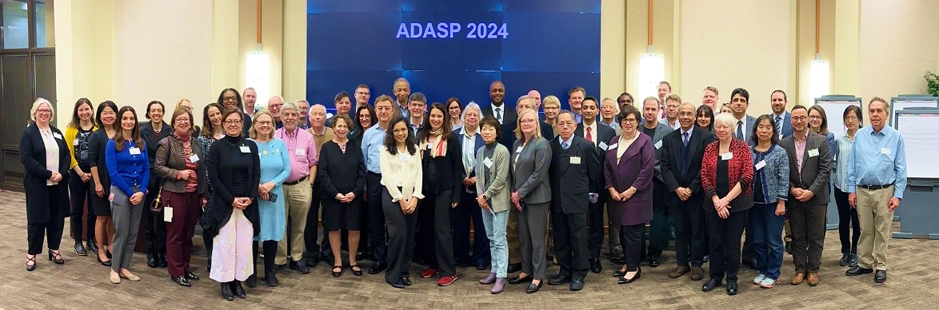
The ADASP Annual Meeting held on March 23, 2024, was a resounding success, featuring insightful presentations, engaging discussions, and valuable networking opportunities.
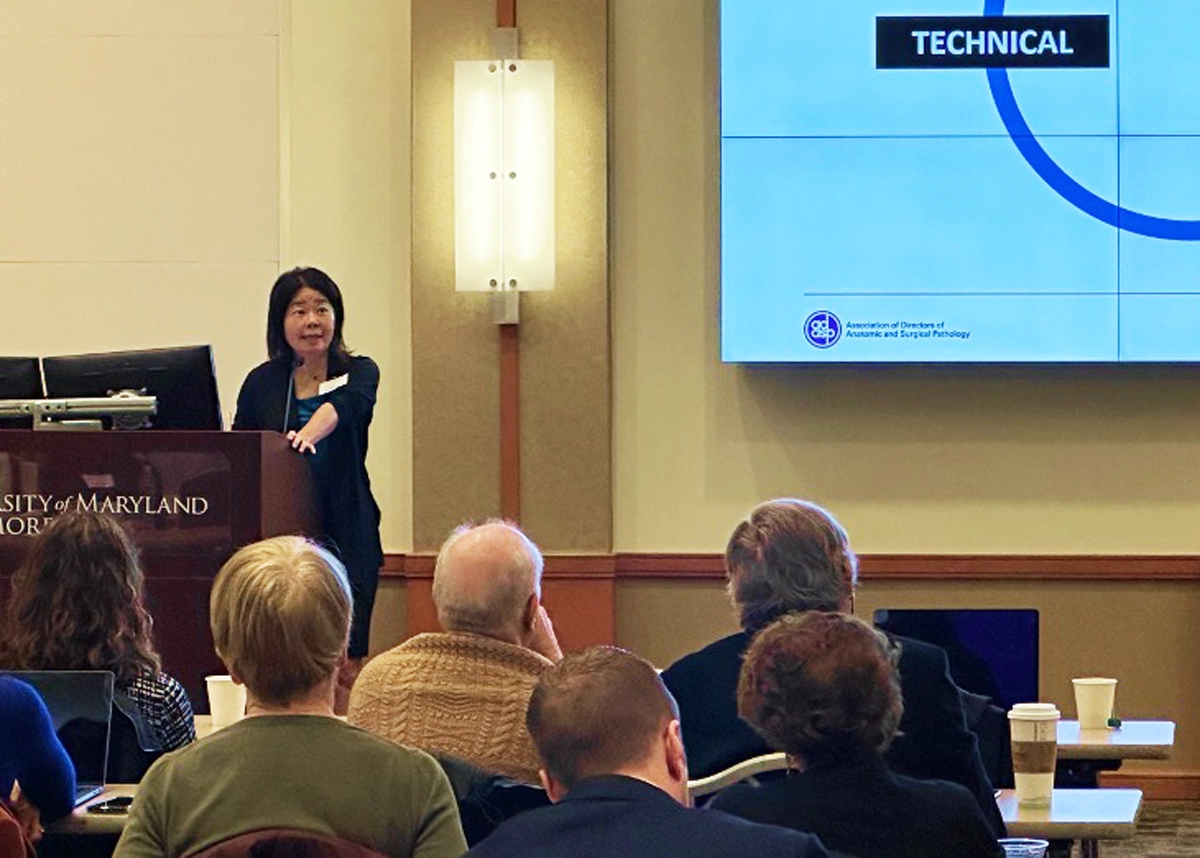
Dr. Holmes (Stanford, Director of Cytopathology) delivered a compelling presentation on addressing workload challenges, emphasizing strategies such as process optimization, skillful workforce management, and leveraging data for informed decision-making. She introduced novel roles like the surgical path technologist, highlighting the importance of meaningful work and professional development.
Dr. Choi (UCSF, Internist and medical director for UCSF's continuous improvement objective) delved into problem-solving techniques, stressing the significance of combining technical expertise with social considerations. Through case studies and practical insights, she underscored the importance of autonomy, competency, and purpose in driving effective solutions.
During interspersed coffee breaks attendees enjoyed networking sessions with the speakers and had the opportunity to connect and exchange ideas, fostering a sense of community and collaboration within the field.
Dr. Paczos and Robin Miller Zweifel from the American Pathology Foundation provided a practical discussion on common coding challenges, offering valuable solutions to attendees' inquiries. Attendees joined an in-person laboratory tour, led by Dr. Staats (University Maryland, Department of Pathology; #thank you). In parallel to the lab tour, attendees engaged in a networking sessions on proposed FDA regulations of LDTs.
Dr. Lennerz, ADASP President and Dr. Kalof, ADASP President-elect informed on the critical issue of FDA Oversight of LDTs and the impact and implications for the laboratory.
The lunch break was used for the business meeting, led by Dr. Lennerz, provided key accomplishments of ADASP and an outline of organizational matters, while Dr. Montone (ADASP Treasurer) delivered the treasurer's report, ensuring transparency and accountability.
Dr. Bracamonte (Immediate Past President) spearheaded the dynamic ADASP barcamp session, enabling members to engage in focused discussions on various topics of interest. We had 5 different barcamps and attendees engaged in open discussions and provided a summary.
ADASP tried the barcamp format for the first time. Here are some impressions. Briefly, barcamps are an open meeting format. The two barcamp hosts are providing the context and are experts on the subject matter. The hosts stay at their table the whole time and welcome the changing guests/participants. The participants actively engaged in one or multiple barcamps. The key messages and summaries are collected by the hosts and presented in the subsequent plenum.
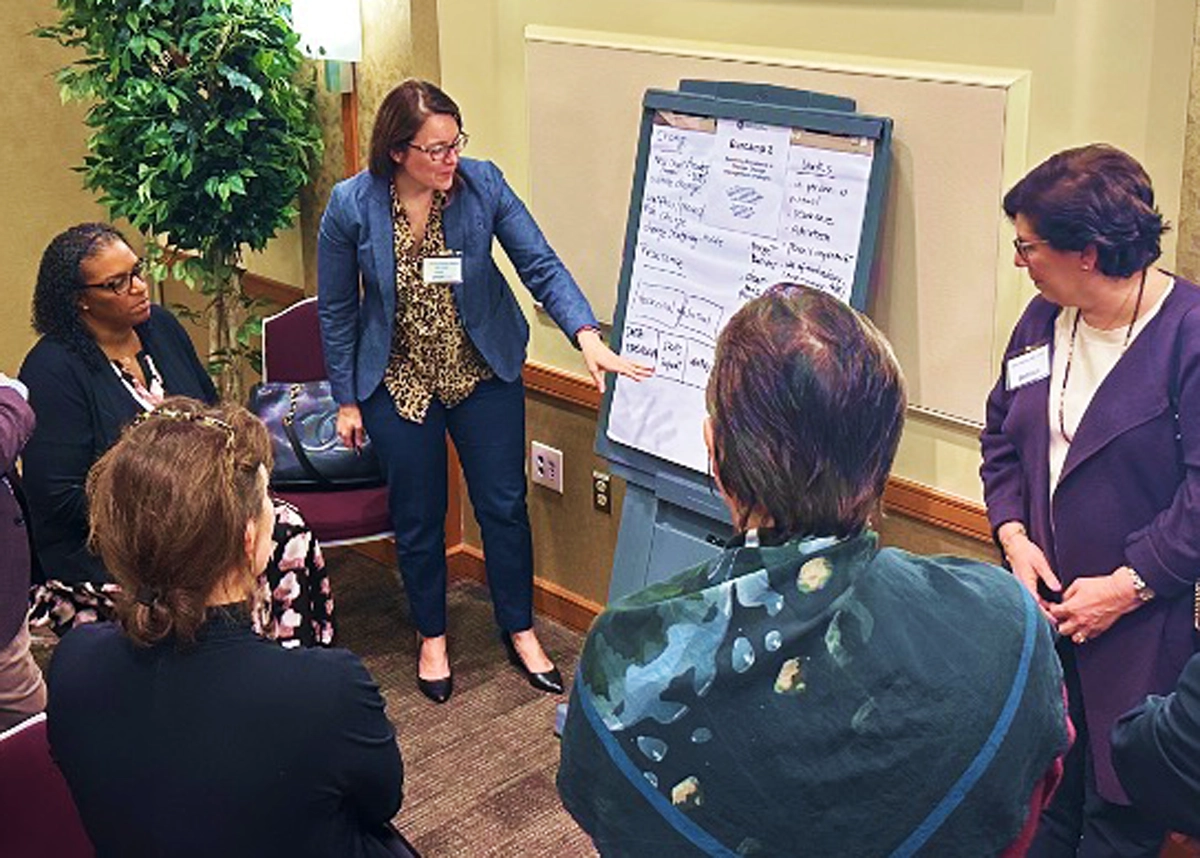
Dr. Kalof further initiated a networking session addressing the histotechnologist shortage, underscoring the importance of collaborative efforts in overcoming industry challenges.
In closing, Dr. Lennerz offered three future thoughts and urged attendees to continue their engagement and participation in ADASP initiatives.
The event concluded on a high note, leaving participants inspired and equipped with valuable insights to drive positive change in the field of anatomic and surgical pathology as well as cytopathology.